Top 10 Exciting Activities to Do in Zanzibar for an Unforgettable Trip
From UNESCO World Heritage sites to pristine coral reefs, Zanzibar offers extraordinary experiences that blend history, adventure, and natural beauty. This comprehensive guide covers the island's best activities with practical details, insider tips, and expert recommendations to help you plan an unforgettable journey.


Why Zanzibar is a Bucket-List Destination
Zanzibar, the exotic archipelago off Tanzania's coast in the Indian Ocean, captivates travelers with its unique blend of African, Arab, Indian, and European influences. This cultural fusion, combined with pristine beaches, vibrant coral reefs, and centuries of fascinating history, creates a destination unlike any other in East Africa.
The main island, Unguja (commonly called Zanzibar), measures approximately 85 km long and 40 km wide, yet packs an incredible diversity of experiences into this compact space. From the narrow, winding alleys of Stone Town, a UNESCO World Heritage Site, to the powdery white beaches of the north coast, every corner reveals something remarkable.
What Makes Zanzibar Special
Living history: Stone Town's labyrinthine streets preserve over 1,000 years of Swahili coastal culture, with Arab, Persian, Indian, and European architectural influences visible in every carved doorway and coral stone building
Spice Island heritage: For centuries, Zanzibar dominated the global spice trade. Today, lush spice plantations continue producing cloves, vanilla, cinnamon, and nutmeg, offering immersive farm tours
Marine biodiversity: The surrounding waters host over 500 fish species, pristine coral reefs, sea turtles, dolphins, and seasonal whale sharks, making it one of the Indian Ocean's premier snorkeling and diving destinations
Authentic culture: Despite tourism growth, traditional Swahili life continues in fishing villages, with dhow boats hand-built using ancient methods, women tending seaweed farms, and communities maintaining centuries-old customs
Accessible adventure: Unlike many exotic destinations, Zanzibar remains relatively accessible and affordable, with direct flights from major East African cities and accommodation ranging from budget guesthouses to luxury resorts
Whether you're drawn to historical exploration, water sports, wildlife encounters, or simply relaxing on pristine beaches, Zanzibar delivers extraordinary experiences that linger long after you leave.

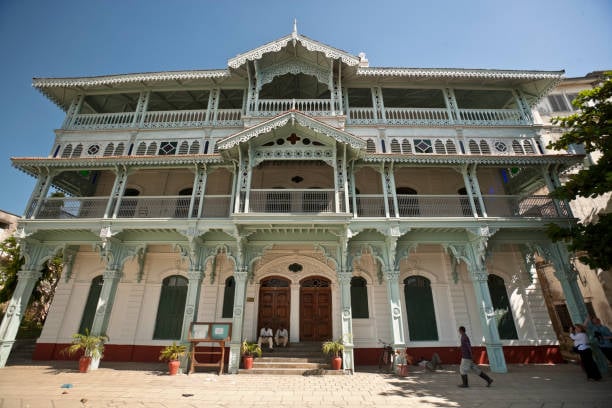
Anglican church (old slave market) Zanzibar
The Top 10 Activities at a Glance
Here's a quick overview of Zanzibar's essential experiences, organized to help you plan your itinerary:
| Activity | Best For | Duration | Price Range |
|---|---|---|---|
| 1. Stone Town Tour | History & culture enthusiasts | 3-4 hours | $35 - 50 |
| 2. Spice Farm Tour | Foodies & culture seekers | 3-4 hours | $35 - 50 |
| 3. Prison Island Visit | Wildlife lovers, families | 3-4 hours | $70 - 90 |
| 4. Dhow Sunset Cruise | Romance, photography | 2-3 hours | $50 - 85 |
| 5. Mnemba Snorkeling/Diving | Water enthusiasts | Half day | $80 - 140 |
| 6. Jozani Forest Tour | Nature & wildlife lovers | 2-3 hours | $30 - 50 |
| 7. Beach Day | Relaxation, swimming | Full day | Free - $50 |
| 8. The Rock Restaurant | Unique dining experience | 2-3 hours | $40 - 60/person |
| 9. Dolphin Tour Kizimkazi | Marine life encounters | 3-4 hours | $40 - 70 |
| 10. Safari Blue | Full-day adventure | Full day | $85 - 120 |
Zanzibar’s Red Colobus monkey
1 Explore Stone Town's UNESCO World Heritage Site
Duration: 3-4 hours (half-day) or full day
Cost: $20-40 for guided tour; self-guided is free
Best time: Early morning (7-9 AM) or late afternoon (4-6 PM) to avoid midday heat
Difficulty: Easy walking, but prepare for uneven surfaces and stairs
Stone Town, Zanzibar's historic heart, earned UNESCO World Heritage status in 2000 for its exceptional cultural significance. This ancient port city served as East Africa's primary trading hub for over a millennium, creating a unique architectural and cultural fusion found nowhere else on earth.
Why Stone Town is Unmissable
Walking through Stone Town is like stepping into a living museum where history unfolds with every turn. The district's narrow, labyrinthine alleys - designed centuries ago to provide shade and confuse potential invaders- connect a maze of over 1,700 buildings showcasing distinctive Swahili coastal architecture.
The city's famous carved wooden doors (over 500 remain) tell stories through their intricate designs. Arab-influenced doors feature brass studs and Quranic inscriptions, while Indian-influenced doors display elaborate floral patterns and chains. Each door represents family wealth, status, and heritage.
Essential Sites to Visit
The House of Wonders (Beit-el-Ajaib)
This imposing four-story building, constructed in 1883, was the first structure in East Africa to have electricity and the first building in Zanzibar with an elevator. Originally the ceremonial palace of Sultan Barghash, it now functions as a museum (though currently under major renovation—check status before visiting) showcasing Swahili and Zanzibari culture.
Highlights: Ceremonial dhow boat, historical photographs, traditional furniture, and exhibits on maritime trade.
Old Fort (Arab Fort)
Built by Omani Arabs between 1698-1701 on the site of a Portuguese chapel, this is Stone Town's oldest structure. The fort never faced military action but served various purposes: garrison, prison, railway depot, and tennis club. Today it hosts cultural performances, shops, and a restaurant.
Tip: Visit in the evening when local cultural groups sometimes perform traditional taarab music and dance (especially during Ramadan and cultural festivals).
Old Slave Market & Anglican Cathedral
This sobering site marks one of East Africa's last slave markets, which operated until 1873. The Anglican Christ Church Cathedral, built on the exact market location, stands as a memorial to those who suffered. The altar is positioned where the whipping post once stood.
Underground chambers show the horrific conditions where slaves were held before auction. The church's crucifix was crafted from the tree under which missionary David Livingstone's heart was buried in mainland Africa.
Entry: $5 donation requested. Guided explanations available. This is emotionally heavy but historically essential.
Forodhani Gardens (Jamhuri Gardens)
This seafront park transforms each evening into Zanzibar's most famous food market. From around 5:30 PM, vendors set up dozens of stalls offering fresh seafood, Zanzibar pizza (a unique egg-and-meat crepe), sugar cane juice, urojo soup, and various grilled delicacies.
The atmosphere buzzes with locals and tourists mingling, musicians performing, and the tantalizing aromas of grilling octopus, lobster, and kingfish filling the air. Prices are incredibly reasonable ($2-8 for a full meal).
Best practice: Arrive around 6:30-7:00 PM when everything is ready but before peak crowds. Negotiate prices before ordering. Most vendors speak English and are friendly to newcomers.
Darajani Market
Stone Town's main market offers an authentic glimpse into daily Zanzibari life. The chaotic, vibrant space sells everything: fresh fish, tropical fruits, spices, clothing, household goods, and traditional medicines.
The market operates daily from early morning until late afternoon, with peak activity 7:00-11:00 AM. The ground floor focuses on produce and fish, while the upper level features textiles and general goods.
Photography etiquette: Always ask permission before photographing people. Many vendors welcome photos if you purchase something. The $1-2 spent on spices or fruit is a small price for the experience.
Walking Tour Routes
Self-Guided Route (2-3 hours)
Start at Forodhani Gardens (morning when it's quiet)
Visit the Old Fort and House of Wonders (exteriors if closed)
Walk to the Old Slave Market and Cathedral (45 minutes including tour)
Wander through the narrow streets, getting intentionally lost (this is part of the experience!)
Visit Darajani Market
End at a rooftop café for refreshments and city views
Guided Tour Benefits
While Stone Town can be explored independently, a knowledgeable guide transforms the experience by providing historical context, pointing out hidden details, accessing sites that might otherwise be locked, and navigating the confusing alleyways efficiently.
Recommended guides: Book through your hotel or reputable operators. Expect to pay $20-30 per person for group tours, $40-60 for private tours. Tours typically last 3-4 hours and include 5-8 major sites.
Where to Eat in Stone Town
The Tea House (Abeid Amani Karume Road): Elevated Persian and Zanzibari cuisine in a restored mansion with rooftop views ($15-25)
Lukmaan Restaurant: Authentic local food at local prices. Try the biryani and fresh juices ($5-8)
Emerson Spice Rooftop: Romantic sunset dining with set menus featuring Swahili dishes ($30-40)
Forodhani Gardens: Street food paradise, essential evening experience ($2-8)
Insider Tip: Start your Stone Town exploration early morning (7-8 AM) when streets are quieter, temperatures cooler, and local life is just awakening. You'll see fishermen returning with catches, shop owners opening, and residents heading to morning prayers - authentic moments before tourist crowds arrive.
2 Take a Spice Farm Tour
Duration: 3-4 hours including transportation
Cost: $25-40 per person
Best time: Morning (8-11 AM) before heat peaks
Difficulty: Easy, suitable for all ages
Zanzibar's nickname "Spice Island" isn't just marketing—it's historical reality. For centuries, the archipelago dominated global trade in cloves, nutmeg, cinnamon, black pepper, and vanilla. Today, spice plantations continue operating throughout the island, offering immersive tours that engage all your senses.
What to Expect
Spice tours transport you to working plantations where you'll walk through lush gardens encountering dozens of spice plants, fruits, and medicinal herbs. Knowledgeable guides explain each plant's cultivation, harvesting, uses, and historical significance while encouraging you to touch, smell, and taste.
Spices You'll Encounter
Cloves: Zanzibar's most important cash crop. You'll see clove trees (which take 7-8 years to mature), learn about harvesting the unopened flower buds, and smell the intense aroma. Cloves represent about 80% of Zanzibar's spice exports
Vanilla: The expensive, labor-intensive orchid produces vanilla beans through careful hand-pollination. Guides explain why real vanilla costs so much (each flower must be pollinated by hand within hours of opening, and beans require months of curing)
Cinnamon: Derived from tree bark, you'll see how strips are peeled and dried into the familiar quills. Fresh cinnamon smells incredibly more potent than store-bought versions
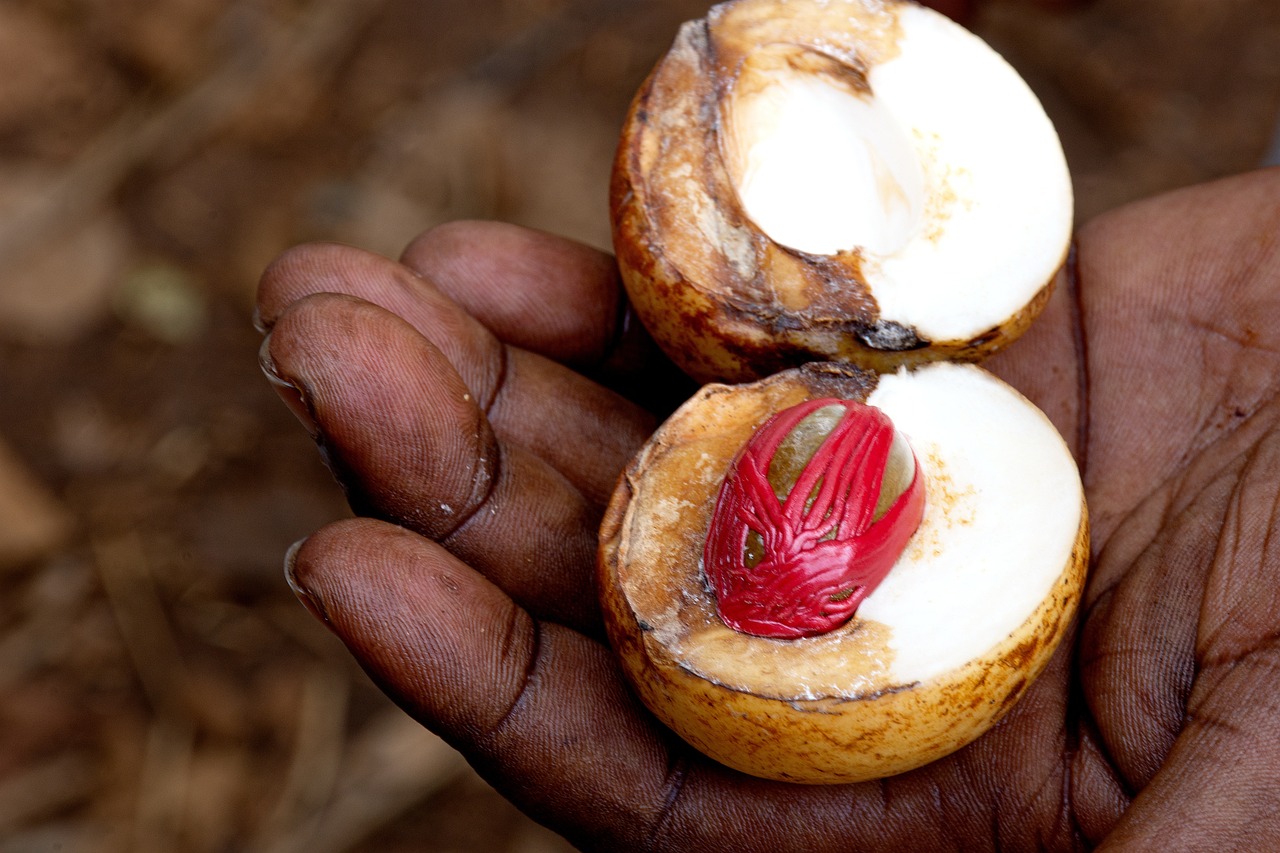
Nutmeg and mace: Both come from the same fruit—nutmeg is the seed, mace is the red covering. You'll taste fresh nutmeg, far superior to pre-ground varieties
Black pepper, cardamom, turmeric, ginger: Essential to both global cuisine and traditional medicine
Tropical fruits: Tours include tasting jackfruit, starfruit, passion fruit, rambutan, and other exotic varieties
Tour Highlights
Interactive Experiences
Good spice tours go beyond passive observation:
Climbing demonstrations: Young men climb coconut and other palms to harvest fruit, demonstrating impressive traditional skills
Weaving displays: Guides create hats, baskets, and decorations from palm fronds in minutes, showing traditional crafts
Tasting sessions: Sample fresh fruits, spices, and sometimes traditional spice-infused dishes or teas
Traditional medicine: Learn about plants used in local medicine for centuries, from headache remedies to childbirth aids
Henna painting: Many tours offer complimentary henna tattoos (optional) using natural plant dyes
Lunch Component
Most tours include traditional Swahili lunch featuring dishes made with spices you've just seen: coconut rice, curried chicken or fish, lentils, and chapati. Eating food prepared with ultra-fresh spices reveals flavors you can't experience elsewhere.
Best Spice Farms
Several farms offer tours, with quality varying significantly:
Tangawizi Spice Farm: Well-organized tours with knowledgeable guides, good lunch, and reasonable prices ($30-35). Located about 20 minutes from Stone Town
Jambo Spice Farm: Family-run operation with enthusiastic guides and intimate groups ($25-30)
Kidichi Spice Farm: Includes visit to Persian Baths ruins nearby, adding historical dimension ($35-40)
Beware: Some "spice tours" are actually visits to shops with minimal actual farming. Book through reputable operators or your hotel. Genuine tours take you into working plantations, not just souvenir shops.
What to Bring
Sun protection (hat, sunscreen, sunglasses as you'll be outdoors for hours
Insect repellent—plantations attract mosquitoes
Camera—incredible photo opportunities
Cash for purchases—farms sell fresh spices, oils, and products at excellent prices
Comfortable walking shoes—paths can be muddy
Purchasing Spices
Tour endings typically include spice shop visits where you can purchase at prices far below tourist markets. Common buys include:
Whole cloves, cinnamon quills, vanilla beans ($3-8)
Spice mixes for curry, pilau, biryani ($5-10)
Essential oils (clove, cinnamon, lemongrass) ($10-20)
Natural soaps and beauty products ($5-15)
Bargaining: Prices at farm shops are usually fair, but gentle negotiation is acceptable for multiple purchases.
Best Value Tip: Combine your spice tour with a visit to Jozani Forest (both are central Zanzibar) for an efficient half-day excursion. Many operators offer combination packages ($45-60) saving time and money compared to separate tours.
3 Visit Prison Island & Meet Giant Tortoises
Duration: 3-4 hours including boat transfer
Cost: $30-50 per person (tour and entry)
Best time: Morning (9-11 AM) before afternoon heat
Difficulty: Easy, family-friendly
Prison Island (officially Changuu Island) lies just 6 km northwest of Stone Town, offering a fascinating half-day excursion combining history, wildlife, and snorkeling. Despite its ominous name, the island's "prison" never actually held prisoners, instead functioning as a quarantine station for yellow fever and cholera outbreaks.
The Journey
Tours depart from Stone Town's waterfront, with boats taking 20-30 minutes across the turquoise channel. The boat ride itself is scenic, with views back to Stone Town's coastline and often dolphin sightings. Most operators use traditional wooden boats or modern speedboats depending on group size.
Giant Aldabra Tortoises
The island's main attraction is a colony of Aldabra giant tortoises, among the world's longest-living animals. These magnificent creatures were originally gifted by the British Governor of Seychelles in the late 19th century. The colony has since grown, with tortoises ranging from decades to over 100 years old.
What to Expect
Close encounters: Unlike zoo experiences, you can walk freely among the tortoises, touch their shells (gently!), and feed them leaves provided by caretakers
Size variation: Tortoises range from small juveniles to massive adults weighing over 200 kg with shells exceeding 1 meter in length
Photo opportunities: These patient, slow-moving animals make excellent photo subjects. The contrast between ancient tortoises and tropical surroundings creates memorable images
Educational component: Guides explain tortoise biology, conservation status (Aldabra tortoises are vulnerable), and individual tortoise personalities and histories
Historical Sites
The Never-Used Prison
The imposing coral stone buildings were constructed in the 1890s to house prisoners but instead served as a quarantine station until the 1920s. Exploring the abandoned, atmospheric structures offers glimpses into colonial-era architecture and the island's fascinating history.
The main building features multiple cells, communal areas, and a second floor accessible via exterior stairs. While somewhat deteriorated, the structure remains safe to explore and photograph.
Old Quarantine Hospital
Adjacent ruins show where yellow fever and cholera patients were isolated during outbreaks. Information boards explain the history of disease control in colonial Zanzibar and the island's role in protecting the mainland from epidemics.
Beach and Snorkeling
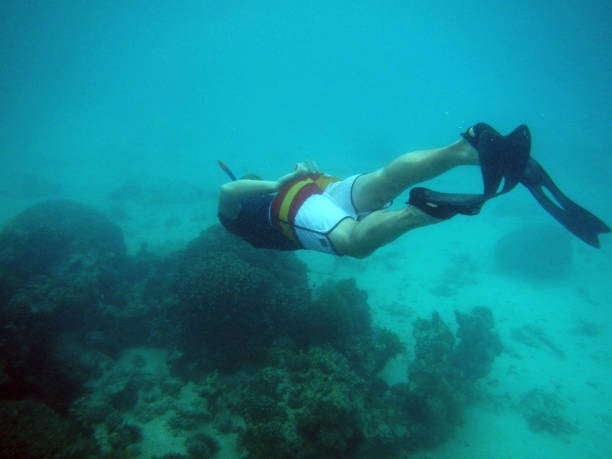
Prison Island features a small, pretty beach with clear water perfect for swimming. The surrounding coral reefs offer decent snorkeling (though not as spectacular as Mnemba):
Colorful fish including parrotfish, angelfish, and snappers
Healthy coral formations close to shore
Sea urchins (watch your step!) and occasional octopus
Good visibility most days (10-20 meters)
Most tours allow 45-60 minutes for swimming and snorkeling. Bring your own gear or rent from tour operators ($5-10).
Tour Options
Standard Tours
Most Prison Island tours ($30-40 per person) include:
Return boat transfer from Stone Town
Island entry fee
Guided walk and tortoise interaction
Time for swimming/snorkeling
Snorkeling equipment (sometimes extra cost)
Combination Tours
Many operators combine Prison Island with other activities:
Prison Island + Nakupenda Sandbank: Visit the island then boat to a stunning sandbank for BBQ lunch ($60-80)
Prison Island + Stone Town: Half-day combining both experiences ($50-70)
Prison Island + Snorkeling Safari: Extended snorkeling at multiple sites ($70-90)
Practical Tips
Timing: Morning visits avoid peak afternoon heat and crowds. First tours (9-10 AM departure) often have the island nearly to themselves
Sun protection essential: Limited shade on the island. Bring hat, sunscreen, sunglasses
Water shoes helpful: Rocky areas and sea urchins make them worthwhile
Bring cash: Small snack bar sells drinks and snacks. Also, tipping boat crew is customary ($2-5)
Waterproof bag: Protect phones and cameras during boat transfer
Family-Friendly: Prison Island is excellent for families with children. Tortoises fascinate kids, swimming is safe in shallow areas, and the boat ride is an adventure. Allow 3-4 hours total including travel time.

4 Sail on a Traditional Dhow Boat
Duration: 2-3 hours (sunset cruises)
Cost: $35-60 per person for shared cruises; $150-300 for private charters
Best time: Sunset departures (around 5:00-5:30 PM)
Difficulty: Easy, relaxing experience
Few experiences capture Zanzibar's maritime heritage more authentically than sailing on a traditional dhow. These elegant wooden vessels have plied the Indian Ocean for over 2,000 years, their distinctive triangular sails once carrying spices, ivory, and goods between East Africa, Arabia, India, and beyond. Today, they offer one of the most romantic and photogenic ways to experience the island's coastline.
Understanding Dhow Boats
Dhows are handcrafted wooden sailing vessels built using techniques passed down through generations. No two dhows are identical - each is custom-built by master craftsmen who learned their trade from fathers and grandfathers. The construction process takes months, using hardwoods like mango and mvule, with planks joined by wooden pegs and caulked with cotton fiber mixed with lime.
Traditional dhows have distinctive features: the lateen (triangular) sail that allows sailing close to the wind, gracefully curved prows, and deep hulls designed for ocean voyaging. While modern dhows often include motors as backup, many still rely primarily on wind power.
Types of Dhow Cruises
Sunset Cruises
The most popular option, sunset dhow cruises typically depart from beaches around 5:00-5:30 PM (timing varies by season), lasting 2-3 hours. As you sail along the coast, the setting sun paints the sky in brilliant oranges, pinks, and purples—a photographer's dream.
What's included:
2-3 hour sailing experience on traditional dhow
Light snacks (often fresh fruit, nuts, samosas)
Beverages (soft drinks, water, sometimes wine or beer)
Crew to handle sailing and serve refreshments
Views of the coastline and surrounding islands
Opportunity to try steering if interested
Shared cruises accommodate 10-20 passengers, creating a social atmosphere. Private charters suit couples seeking romance or groups wanting exclusive experiences.
Full-Day Sailing Excursions
Extended dhow trips explore further from shore, often combining sailing with snorkeling, beach visits, and seafood BBQ lunches on secluded beaches or sandbanks. These adventures showcase the dhow's ocean-going capabilities.
Popular routes include:
Sailing to Mnemba Island for snorkeling ($80-120)
Multi-stop island hopping expeditions ($100-150)
Sandbank picnic cruises ($70-100)
Best Departure Points
Nungwi and Kendwa (North Coast)
The most popular departure points, these beaches offer stunning sunset views over the ocean, calm waters, and numerous operators. The western orientation means you're sailing directly into the sunset, magical.
Advantages: Most operators, competitive prices, beautiful backdrop, non-tidal (sailing possible anytime)
Stone Town
Departing from the historic waterfront adds cultural dimension. You'll sail past the House of Wonders, Old Fort, and traditional fishing dhows, with Stone Town's skyline providing dramatic backdrop.
Advantages: Historical context, convenient if staying in Stone Town, often less crowded
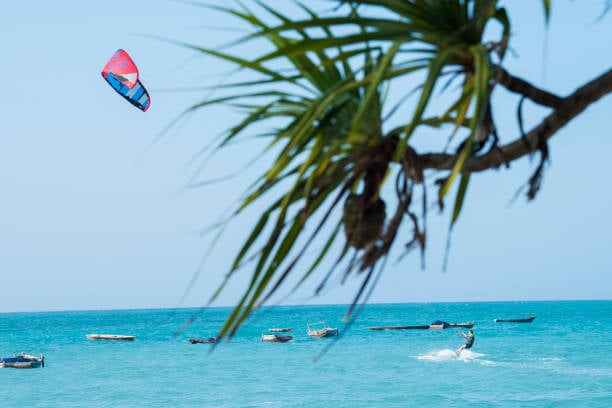
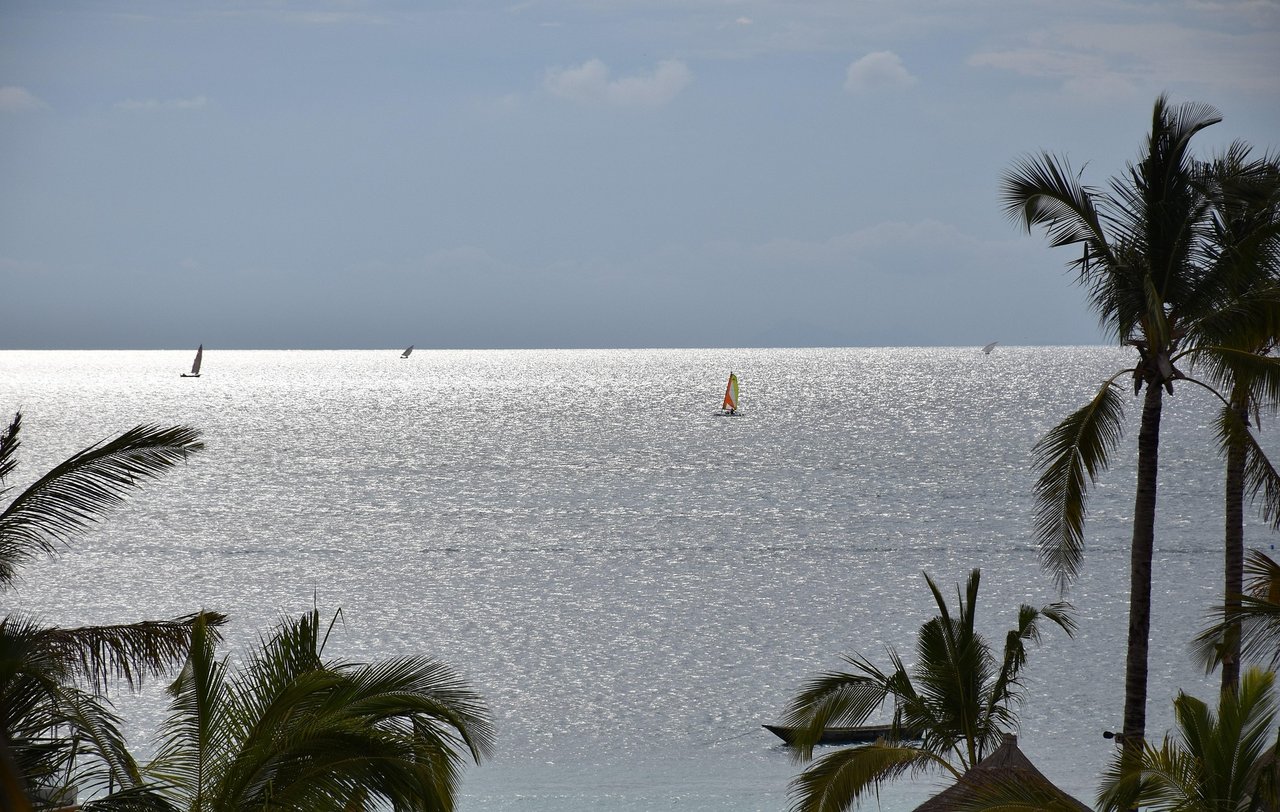
Tourist enjoying in kiterboarding on the sandy beaches of Zanzibar
What to Expect Onboard
The Sailing Experience
Unlike powerboats, dhows move gracefully and quietly, powered by wind. The gentle rocking, creaking wood, and flapping sails create a meditative, timeless experience. When the wind fills the sail and the dhow picks up speed, leaning slightly as it cuts through the water, you'll understand why sailors have loved these vessels for millennia.
Most captains are happy to explain the sailing techniques, let you try steering (with supervision), or even help hoist the sail. The crew's expertise becomes apparent as they skillfully adjust rigging, change direction, and navigate entirely by feel and experience.
Atmosphere and Ambiance
Sunset cruises are inherently romantic and relaxing. As the sun descends, the sky transforms through spectacular color phases—golden hour's warm tones giving way to fiery oranges and deep purples. The ocean reflects these colors, creating 360-degree beauty.
Some dhows play soft traditional taarab music or allow silence so passengers can enjoy nature's soundtrack: waves lapping against the hull, wind in the rigging, and perhaps dolphins whistling nearby.
Photography Tips
Golden hour: The 30 minutes before sunset offers the best light for photography
Silhouettes: As the sun sets, photograph people, sails, or rigging against the colorful sky
Wide-angle lens: Captures both the dhow's details and expansive sky/ocean
Protect gear: Bring waterproof bags—spray and splashes are common
Candid moments: Genuine smiles and relaxed expressions make better photos than forced poses
What to Bring
Light jacket or wrap—temperatures drop after sunset
Sun protection—late afternoon sun can still burn
Camera with waterproof protection
Motion sickness medication if prone to seasickness
Cash for tips—$5-10 per person for crew is customary
Romantic Tip: For proposals, anniversaries, or special celebrations, book a private sunset dhow cruise. Many operators can arrange special touches like champagne, flower petals, musician, or photographer. The setting is inherently romantic—the dhow provides the perfect stage.
Pricing: Shared sunset cruises: $35-50 per person from north coast beaches, $40-60 from Stone Town. Private charters for couples: $150-250. Larger group private charters: $300-500 for 8-12 people.
5 Snorkel & Dive at Mnemba Atoll
Duration: Half-day (3-4 hours) for snorkeling; full day for diving
Cost: $60-80 snorkeling; $100-140 two-tank diving
Best time: Year-round; October-March for whale sharks and mantas
Difficulty: Easy to moderate; suitable for beginners
Mnemba Atoll, located off Zanzibar's northeast coast near Matemwe, ranks among the Indian Ocean's premier snorkeling and diving destinations. This protected marine conservation area surrounds tiny Mnemba Island (a private luxury resort) with pristine coral reefs hosting extraordinary biodiversity.
Why Mnemba is Special
The circular coral reef system creates perfect conditions for marine life: sheltered lagoons, nutrient-rich currents, and protection from fishing. The result is one of East Africa's healthiest reef ecosystems with visibility often exceeding 20-30 meters.
Marine Life Encounters
Virtually Guaranteed Sightings
Sea turtles: Green and hawksbill turtles are seen on nearly every trip. They graze peacefully and often allow close (but respectful) observation
Tropical reef fish: Over 600 species including parrotfish, angelfish, butterflyfish, groupers, snappers, and surgeon fish
Dolphins: 30-40% of trips spot bottlenose and spinner dolphins
Seasonal Specials
Whale sharks (October-February): These gentle giants migrate through Mnemba waters
Manta rays (October-March): Graceful 3-4 meter wingspan creatures appear seasonally
Humpback whales (July-September): Occasionally visible from boats during migration
Snorkeling at Mnemba
Snorkeling trips depart early morning (8:00-9:00 AM) from Matemwe or other north/east coast beaches. The 15-30 minute boat ride crosses open water before reaching the atoll.
You'll typically snorkel at 2-3 locations around the atoll over 1.5-2 hours, each offering different reef features and marine life. Equipment (mask, snorkel, fins) and life jackets are provided.
Scuba Diving at Mnemba
Popular Dive Sites
Kichwani (North Side): Dramatic coral wall dropping from 5 to 30+ meters with strong currents bringing nutrients and large fish schools
Aquarium (West Side): Shallower reef (8-18 meters) perfect for photography with incredible diversity of small reef fish
Wattabomi (South Side): Features caverns, swim-throughs, and schooling fish
Two-tank dive trips ($100-140) include all equipment, two dives at different sites, and surface interval with snacks.
Conservation Guidelines
Never touch, stand on, or break coral
Don't chase or grab marine life
Maintain 2-3 meters distance from turtles
Use reef-safe sunscreen only
Don't feed fish
Important Note: Mnemba Island itself is private property. You cannot land on the island unless you're a resort guest. Boats must stay outside designated boundaries.
6 Experience Jozani Forest & Red Colobus Monkeys
Duration: 2-3 hours
Cost: $15-30 (includes park entry and guided tour)
Best time: Morning (8-11 AM) when monkeys are most active
Difficulty: Easy walking on maintained paths
Jozani Chwaka Bay National Park, Zanzibar's only national park, protects 50 square kilometers of indigenous forest. The park's star residents—the endangered Zanzibar Red Colobus monkeys found nowhere else on Earth—make this a must-visit for nature enthusiasts.
The Zanzibar Red Colobus Monkey
These charismatic primates are among the world's rarest monkeys, with only about 5,000-6,000 individuals remaining, all living in Zanzibar's forests.
What Makes Them Special
Striking appearance: Red-orange coats, black faces and limbs, and distinctive white shoulder patches
Endemic species: Found only in Zanzibar
Unusual diet: They eat leaves, flowers, and unripe fruit that would poison many other animals
Social structure: Live in troops of 20-50 individuals with complex social hierarchies
Habituation: Comfortable with human presence, allowing close observation
Exploring Jozani Forest
The Guided Walk
All visitors must join guided walks (included in admission) with trained park rangers. The standard forest walk takes 45-60 minutes:
Monkey territory (20-30 minutes): Where Red Colobus are consistently found
Dense forest (15-20 minutes): Walk through towering indigenous trees
Interpretive trail (10-15 minutes): Educational section with information boards
Other Wildlife
Sykes' monkeys (Blue monkeys)
Over 50 bird species
Butterflies and unique amphibians
Mangrove Boardwalk
After the forest walk, explore the elevated 500-meter boardwalk through mangrove swamps. You'll see red, white, and black mangrove species, mudskippers, fiddler crabs, and various bird species.
Visitor Guidelines
Stay 3+ meters from monkeys
Never feed wildlife
Don't touch monkeys
No eating during the walk
Stay with your guide
What to Bring
Insect repellent
Water (at least 1 liter per person)
Sun protection
Comfortable walking shoes
Camera with zoom lens
Cash for entry fee ($10) and tips
Combination Tour Value: Most operators offer packages combining Jozani Forest with spice farm tours ($45-65 total), maximizing your time and providing better value than separate trips.
7 Relax on World-Class Beaches
Duration: Half-day to full-day
Cost: Free (public beaches) to $50+ (resort day passes)
Best time: All day; check tide schedules for swimming
Difficulty: Easy, pure relaxation
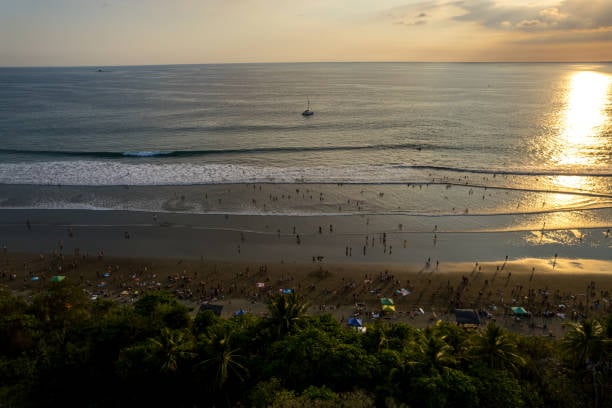
Zanzibar's beaches consistently rank among the world's most beautiful, with powdery white sand, crystal-clear turquoise waters, and swaying palms creating the quintessential tropical paradise.
Top Beach Destinations
Nungwi Beach (North Coast)
Character: Social, developed, excellent swimming
Zanzibar's most popular beach combines natural beauty with extensive facilities. Main advantages: minimal tidal variation (swim anytime), stunning sunsets, vibrant nightlife, and numerous restaurants.
Best for: First-time visitors, social travelers, sunset photography, water sports
Kendwa Beach (North Coast)
Character: Relaxed, beautiful, party-friendly
Just south of Nungwi with similar non-tidal advantages and a more laid-back atmosphere. Famous for full moon parties featuring fire dancers and DJs.
Best for: Beach relaxation with party options, backpackers, budget travelers
Paje Beach (Southeast Coast)
Character: Backpacker hub, kitesurfing capital, expansive
This 20-kilometer stretch attracts adventure-oriented crowds. Perfect kitesurfing conditions with dozens of colorful kites filling the sky on windy days.
Best for: Kitesurfers, budget travelers, yoga enthusiasts, long beach walks
Jambiani Beach (Southeast Coast)
Character: Authentic village life, family-friendly, less touristy
Women tend seaweed farms during low tide, children play football on sand, and community life remains central.
Best for: Cultural immersion, families, authenticity, avoiding crowds
Matemwe Beach (Northeast Coast)
Character: Quiet, pristine, perfect for seclusion
Peaceful 5-kilometer stretch with minimal development and unspoiled beauty.
Best for: Honeymoons, romantic getaways, digital detox, serious relaxation
Understanding Tides
Most Zanzibar beaches (except Nungwi and Kendwa) experience dramatic tidal changes—water can recede 100+ meters.
High Tide: Swimming and water sports possible
Low Tide: Extensive beach area for walking and tide pool exploration
Beach Safety and Etiquette
Use reef-safe sunscreen
Wear water shoes during low tide
Watch for currents
Dress modestly off the beach (Zanzibar is predominantly Muslim)
Topless/nude sunbathing is prohibited
8 Dine at The Rock Restaurant
Duration: 2-3 hours
Cost: $30-50 per person for mains
Best time: Lunch (12-3 PM) for photography; dinner for romance
Reservations: Essential, book 2-3 days ahead
The Rock Restaurant has achieved iconic status as Zanzibar's most photographed dining venue. Perched on a small rock formation in the lagoon at Michamwi Pingwe (near Bwejuu and Paje), this unique restaurant offers extraordinary ambiance.
What Makes It Special
The Location
The restaurant sits on a natural rock outcrop approximately 50 meters from shore, completely surrounded by water at high tide. The small two-story building accommodates just 12 tables.
The Tidal Experience
High Tide: The restaurant becomes a genuine island, accessible only by boat (included). This is prime time for romantic dinners.
Low Tide: Walk across exposed sand (5-10 minutes). Better for families with young children and easier exterior photography.
The Menu
The Rock focuses on fresh seafood with Mediterranean and Swahili influences:
Grilled lobster: $35-45
Octopus curry: $25-30
Whole grilled fish: $28-35
Seafood pasta: $22-28
Tuna steak: $30-35
Practical Tips
Dress code: Smart casual
Photography: Arrive 20-30 minutes early to photograph exterior
Pricing: $50-80 per person with drinks
Getting there: 10 minutes from Paje, 5 minutes from Bwejuu
Special Occasion Tip: Mention anniversaries or celebrations when booking. The staff often arrange special touches. The inherently romantic setting makes The Rock ideal for proposals.
9 Swim with Dolphins in Kizimkazi
Duration: 3-4 hours
Cost: $30-60 per person
Best time: Early morning (6:00-7:00 AM departure)
Success rate: 85-95% dolphin sightings
Kizimkazi, a traditional fishing village on Zanzibar's southern tip, is famous for resident pods of bottlenose and humpback dolphins that frequent the waters year-round.
The Dolphins
Species Present
Bottlenose dolphins: Most commonly encountered, identifiable by robust bodies and playful behavior
Indo-Pacific humpback dolphins: Rarer, with distinctive humped backs
What to Expect
Early Morning Departure
Tours depart very early (6:00-7:00 AM) when dolphins are most active. The early start means fewer boats and better encounters.
The Search
Boats head into the channel, captains scanning for dorsal fins, splashing, or the distinctive blow when dolphins surface. Captains communicate by radio. The search can take 10-45 minutes.
Swimming Opportunities
If dolphins seem relaxed, guides allow swimmers to enter the water quietly in small groups (4-6 people).
Responsible swimming protocol:
Enter water quietly—no jumping
Float calmly—don't chase dolphins
Let dolphins control the interaction
No touching, even if they come close
Exit if dolphins show stress
Ethical Considerations
Signs of a Responsible Operator
Positioning ahead rather than chasing
Limiting boat numbers (2-3 max per pod)
Small swimmer groups (4-6 people)
Time limits (20-30 minutes max with any pod)
Respecting dolphin boundaries
Providing education about conservation
Questions to Ask When Booking
"How many boats do you send with each pod?"
"What's your policy if dolphins seem stressed?"
"What guidelines do you give swimmers?"
What Else in Kizimkazi
12th-century Dimbani Mosque: One of East Africa's oldest Islamic structures ($5 entry)
Traditional fishing village: Early morning fish markets (5:30-8:00 AM)
Dhow boat building: Watch master craftsmen work along the beach
What to Bring
Swimsuit under clothes
Towel
Waterproof bag
Reef-safe sunscreen
Motion sickness medication
Light breakfast (tours leave before hotel breakfast)
Cash for tips ($5-10)
Realistic Expectations
Likely: Seeing dolphins (85-95% success), observing from boat, getting in water (80-90%)
Uncertain: How close dolphins come, how long they stay, quality of interaction
Dolphins are wild animals. Some encounters are breathtaking; others involve brief glimpses. Both are legitimate wildlife experiences.
Reality Check: Any operator promising "guaranteed 30-minute dolphin swims" is either misleading you or planning to harass animals. Choose operators who are honest about the wild nature of the experience.
Tour Costs: Budget operators $30-40; mid-range with pickup $45-55; premium ethical operators $55-70
10 Experience Safari Blue Full-Day Tour
Duration: Full day (8 AM - 5 PM)
Cost: $80-120 per person
Best time: Year-round; high tide days preferable
Difficulty: Easy, family-friendly
Safari Blue ranks among Zanzibar's most popular full-day excursions, combining sailing on traditional dhows, snorkeling pristine reefs, visiting a lagoon swimming hole, and enjoying a seafood feast on a sandbank—all within the Menai Bay Conservation Area.
What Safari Blue Includes
Dhow Sailing
The day begins with boarding large traditional dhows at Fumba Peninsula (southwestern coast). These substantial vessels comfortably accommodate 15-25 guests with cushioned seating and shade.
Safari Blue is the gold standard of Zanzibar sea excursions. It isn't just a boat ride; it’s a meticulously planned day that explores the Menai Bay Conservation Area, a stunning marine park filled with uninhabited islands and sandbanks.
The Safari Blue Itinerary
The Sandbank: The day begins with a sail to a "disappearing" sandbank. Here, you can snorkel in the surrounding crystal-clear reefs or simply relax under a canvas shade with fresh coconut and snacks.
The Mangrove Lagoon: You’ll sail into a hidden turquoise lagoon on Kwale Island surrounded by ancient mangroves. It’s a perfect, calm spot for a "natural swimming pool" experience.
The Seafood Feast: A legendary Swahili BBQ lunch is served on Kwale Island. Feasting on lobster, grilled fish, calamari, and chicken, followed by a tasting of over 10 different types of tropical fruits.
The Giant Baobab: After lunch, take a short walk to see a massive, 500-year-old baobab tree that fell over decades ago but continues to grow and thrive on the ground.
Is Zanzibar safe for travelers in 2025?
Yes, Zanzibar remains a very safe destination. However, standard travel precautions apply: avoid walking on unlit beaches at night and keep your valuables in your hotel safe.
Do I need mandatory travel insurance?
As of late 2024, the Zanzibar government requires all foreign visitors to have mandatory inbound travel insurance from the Zanzibar Insurance Corporation (ZIC), which costs approximately $44 USD. This is required even if you have your own private insurance.
Is it okay to drink alcohol on the island?
Yes, alcohol is widely available in hotels, resorts, and tourist-focused restaurants. However, drinking in the public streets of Stone Town or local villages is considered disrespectful.
What is the tipping culture like?
Tipping is not mandatory but highly appreciated. For a full-day tour (like Safari Blue), a tip of $10–$20 per group for the crew is standard. In restaurants, a 10% tip is customary for good service.
Are there ATMs available?
ATMs are plentiful in Stone Town and at the airport. However, they are scarce in beach areas like Nungwi, Paje, or Matemwe. Always withdraw enough cash in Stone Town before heading to the coast.
What vaccinations do I need?
Tanzania requires a Yellow Fever certificate if you are arriving from a country with a risk of yellow fever transmission. Malaria prophylaxis is also strongly recommended—consult your doctor before travel.