
Visiting Zanzibar During Ramadan 2026: Complete Tourism Guide
What to Expect When Exploring This Island Paradise During the Holy Month


There's a common misconception among travelers: that Zanzibar closes its doors during Ramadan. Some worry they won't find food, others fear they'll inadvertently offend locals, and many simply assume this predominantly Muslim island paradise becomes off-limits to tourists. The reality? Nothing could be further from the truth.
Zanzibar welcomed over 917,000 international visitors in 2025, a remarkable 25% increase from the previous year. This stunning archipelago off Tanzania's coast continues to thrive as a tourism destination year-round, including during Ramadan. In 2026, the holy month runs from February 17 to March 18, falling during the island's warm, tropical season - perfect timing for beach lovers and cultural enthusiasts alike.
What makes visiting Zanzibar during Ramadan special isn't what you'll miss, it's what you'll gain. Imagine experiencing the spiritual tranquility of Stone Town at dusk, the moment the call to prayer echoes across ancient coral buildings.
Picture the vibrant energy of Forodhani Gardens transforming into a food lover's paradise as the sun sets. Consider the privilege of witnessing centuries-old Swahili-Islamic traditions firsthand, culminating in the joyous Eid al-Fitr celebrations.
This comprehensive guide will show you exactly how to respectfully experience Zanzibar during Ramadan 2026, what to expect, and why this timing might offer one of the most authentic cultural experiences of your life.
Understanding Ramadan in Zanzibar
What Is Ramadan? Understanding the Holy Month
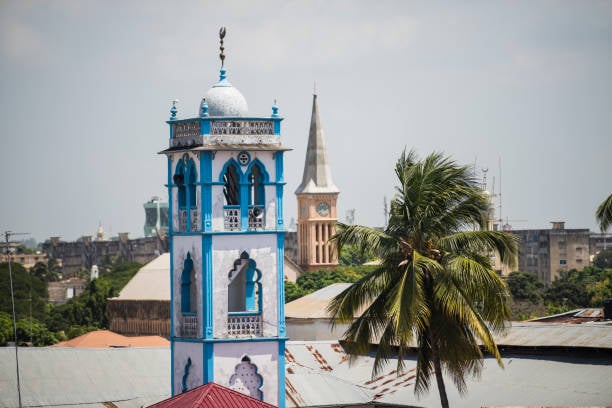
Zanzibar City, Tanzania - April 24,2025: View on architecture of Stone town in Zanzibar City
Ramadan is the ninth month of the Islamic lunar calendar and one of the most sacred periods in the Muslim faith. During this month, Muslims worldwide observe a fast from dawn until sunset - abstaining from food, drink, smoking, and other physical needs. But Ramadan is far more than dietary restriction; it's a time of spiritual reflection, increased devotion, generosity, and community.
The practice of fasting during Ramadan represents one of Islam's Five Pillars - the fundamental acts of worship that shape a Muslim's faith and practice. The month commemorates the revelation of the Quran to the Prophet Muhammad and serves as an annual opportunity for Muslims to strengthen their relationship with God, practice self-discipline, and cultivate empathy for those less fortunate.
Key terms every visitor should know:
Suhoor: The pre-dawn meal eaten before the fast begins each day, typically around 4:30-5:00 AM in Zanzibar
Iftar: The breaking of the fast at sunset, traditionally starting with dates and water, followed by a larger meal
Tarawih: Special evening prayers performed after the regular evening prayer, unique to Ramadan
Eid al-Fitr: The three-day celebration marking the end of Ramadan (expected March 19-20, 2026 in Zanzibar)
Ramadan's Unique Expression in Zanzibar
Zanzibar's Ramadan observance reflects the island's distinctive Swahili-Islamic heritage - a cultural fusion shaped by centuries of Indian Ocean trade, Arab influence, and African traditions. With over 98% of the population identifying as Muslim, the holy month transforms the archipelago into a living expression of faith and community.
In Stone Town, the UNESCO World Heritage Site that serves as Zanzibar's cultural heart, narrow alleys echo with increased calls to prayer. The carved wooden doors remain open longer in the evenings as families share meals. Mosque attendance swells during Tarawih prayers, with the sounds of Quranic recitation drifting through the warm night air. The pace of life shifts: contemplative during daylight hours, vibrant and communal after sunset.
Yet remarkably, this deeply religious observance coexists harmoniously with Zanzibar's thriving tourism industry. The island's 917,000+ annual visitors include many who travel specifically during Ramadan for the unique cultural experience.
Beach resorts continue normal operations, dive centers maintain full schedules, and tour operators adjust seamlessly. This balance - maintaining sacred traditions while welcoming international guests - defines the Zanzibari approach to Ramadan.
Understanding this context helps visitors appreciate why Zanzibar during Ramadan offers something special: authentic cultural immersion without sacrificing the practical comforts that make travel enjoyable.
What Tourists Need to Know: Operating Hours & Services
Restaurant & Dining Options
Let's address the biggest concern head-on: Yes, you will absolutely be able to find food and water throughout the day. The key is knowing where to look and what to expect.
Hotel and resort restaurants continue serving their guests normally throughout Ramadan. If you're staying at a beach resort in Nungwi, Kendwa, Paje, or Matemwe, your dining experience remains essentially unchanged. Breakfast buffets, lunch service, afternoon snacks, and dinner all proceed as usual. These establishments cater to international visitors and maintain full operations.
In Stone Town, the situation requires slightly more awareness. Many Muslim-owned restaurants close their outdoor seating during daylight hours but continue serving meals indoors, respecting fasting locals who may pass by while still accommodating tourists. Some establishments close entirely until sunset, reopening for vibrant evening service. The strategy? Look for restaurants on side streets rather than main thoroughfares - these often maintain indoor dining throughout the day.
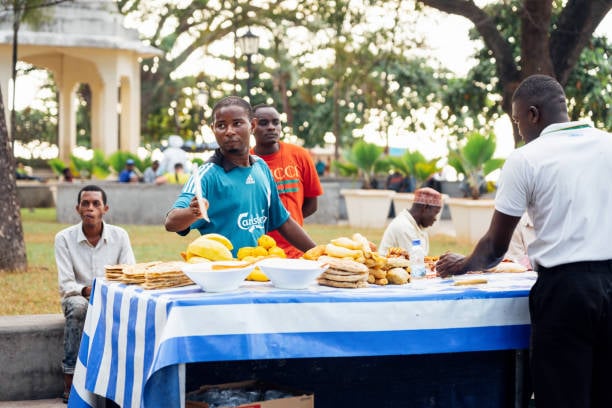
Night Food Market at Forodhani Gardens, Stone Town, Zanzibar
Forodhani Gardens, Stone Town's legendary waterfront food market, operates differently during Ramadan. During daylight hours, the area remains quiet. But after sunset - around 6:15 PM when the fast breaks - the space transforms. Vendors arrange their grills and tables, smoke rises from cooking stations, and the air fills with the aroma of mishkaki (grilled meat skewers), urojo (Zanzibar soup), and freshly made chapati. This sunset transformation makes Forodhani one of Ramadan's most vibrant experiences.
Pro tip for visitors: Pack a small bag with water bottles and snacks for day trips. While you can find food, having supplies ensures comfort during long excursions. Consume these discreetly in less-trafficked areas or inside vehicles - respecting those who are fasting while meeting your own needs.
Business Hours & Tourism Services
Tourism infrastructure in Zanzibar is remarkably resilient during Ramadan. Most services operate normally, with minor adjustments that visitors rarely find disruptive.
Tourist information offices maintain consistent hours: 8 AM to 3 PM on weekdays and 8 AM to 1 PM on Saturdays. Tours and excursions - from spice plantation visits to snorkeling trips to Prison Island - continue as scheduled. Tour operators, many of whom have international ownership or decades of experience hosting visitors during Ramadan, build flexibility into their schedules.
Transportation services run normally, though drivers who are fasting may need brief breaks for prayer times. This is completely natural and rarely causes delays. Most drivers will communicate their needs clearly, and the brief pauses often provide welcome photo opportunities or moments to simply absorb your surroundings.
Shopping in Stone Town follows a predictable pattern during Ramadan. Shops open normally during the day, then close for approximately an hour around 6:15-7:15 PM for Iftar. After breaking fast, many reopen and stay busy well into the evening. Some vendors report their most active sales periods during late Ramadan evenings, when the celebratory atmosphere encourages spending.
Water activities - diving, snorkeling, kitesurfing, sailing - face virtually no disruption. Many diving centers and water sports operations are owned and staffed by international operators who maintain year-round schedules. The waters around Mnemba Atoll remain as pristine during Ramadan as any other time, and the visibility doesn't consult the Islamic calendar.
Alcohol Availability
Hotels and beach resorts that normally serve alcohol continue doing so during Ramadan. The vast majority of accommodation options frequented by international visitors maintain their full bar service for guests. Your evening cocktail on the beach or sundowner at the resort bar remains available.
However, some heritage hotels in Stone Town - such as Dhow Palace Hotel and Tembo House - never serve alcohol at any time of year as part of their authentic cultural approach. This isn't a Ramadan-specific restriction but a year-round policy. Research your accommodation's alcohol policy when booking if this matters to your travel experience.
Local establishments outside of hotels may limit or suspend alcohol service during Ramadan. Beach bars at resorts remain active, though the overall nightlife scene is quieter than during peak season.
Respectful Cultural Etiquette During Ramadan
Public Behavior Guidelines
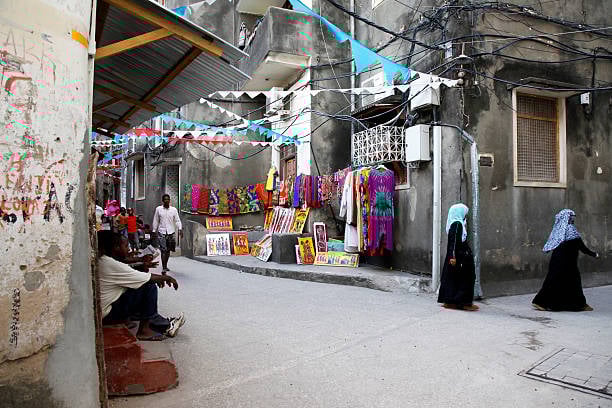
The golden rule for visiting Zanzibar during Ramadan: avoid eating or drinking in public view during daylight hours (from dawn around 5 AM to sunset around 6:15 PM). This isn't about legal restrictions - it's about respect. Imagine fasting in the tropical heat while people around you consume food and water publicly. The discomfort would be palpable.
Practical application: carry your water bottle in a closed bag rather than sipping from it while walking through Stone Town. If you need to eat or drink during a day trip, do so in a private area, inside your vehicle, or in low-traffic spaces away from fasting locals. On hotel premises, you have more flexibility, though remaining mindful of fasting staff shows consideration.
What if you accidentally eat or drink publicly? Zanzibaris are gracious people accustomed to international visitors. They understand cultural differences. If it happens, there's no need to panic or over-apologize - simply be more mindful going forward. The island's continued success as a tourism destination during Ramadan proves that locals and visitors coexist peacefully with mutual respect.
Dress Code Requirements
Zanzibar maintains conservative dress expectations year-round, intensified slightly during Ramadan. These guidelines apply particularly in Stone Town and other public areas outside of resort grounds.
For women:
Cover shoulders with at least three-quarter length sleeves
Wear knee-length skirts, dresses, or long trousers
Head covering is not required for non-Muslim women
Lightweight, breathable fabrics work best in the tropical climate
For men: Long trousers are expected in public areas. Shorts are acceptable at the beach and within resort grounds but should be swapped for long pants when venturing into Stone Town or villages.
Beach and resort areas maintain more relaxed standards. Swimwear is perfectly appropriate at the hotel pool or on the beach. Just bring a cover-up for walking between your room and the beach, and change back into modest clothing before leaving the resort property.
Many travelers pack a lightweight scarf or shawl. These versatile items can cover shoulders when needed, provide shade from the sun, dress up a simple outfit, or even serve as an impromptu picnic blanket. Kanga - the traditional Swahili cloth - makes a perfect souvenir that doubles as a functional travel accessory.
Social Interactions
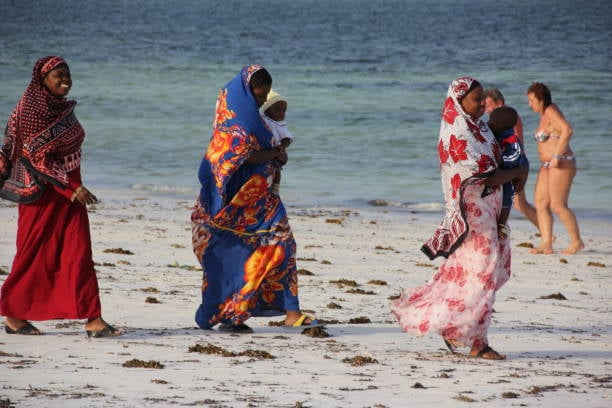
Local Muslim Women with at Mchanga Beach, Zanzibar
Public displays of affection should remain minimal. Hand-holding is generally acceptable, but kissing or embracing in public spaces crosses cultural boundaries. This guideline applies throughout the year but deserves particular attention during the holy month.
Photography etiquette becomes especially important during prayer times. Always ask permission before photographing people, particularly near mosques or during religious observances. Many locals welcome photos but appreciate being asked first. A simple gesture - pointing to your camera with a questioning look - communicates respect even across language barriers.
Learning a few Arabic greetings enhances your experience. "Ramadan Kareem" (generous Ramadan) or "Ramadan Mubarak" (blessed Ramadan) are appreciated acknowledgments of the holy month. Locals will likely light up when hearing these phrases from a visitor.
If your tour guide is fasting, they may step away briefly during picnic lunches or meal times. This is completely normal professional behavior. Many guides have years of experience leading tours while fasting and handle it gracefully. Simply continue enjoying your meal and appreciate their dedication.
Unforgettable Ramadan Experiences in Zanzibar
Cultural Immersion Opportunities
Witnessing Iftar in Stone Town ranks among Zanzibar's most memorable experiences. As sunset approaches, anticipation builds. Families arrange tables outside their homes. Vendors at Forodhani Gardens prepare their cooking stations. The moment the call to prayer signals sunset, a collective breaking of fast occurs across the city. Dates are passed, water bottles opened, and prayers of gratitude offered. Within minutes, the quiet streets transform into vibrant gatherings. This daily rhythm of reflection and celebration offers visitors a window into communal spirituality rarely visible to outsiders.
The evening atmosphere at Forodhani Gardens after sunset deserves special mention. This waterfront market becomes a culinary theater. Watch vendors expertly flip chapati, grill meat skewers to perfection, and prepare Zanzibar's famous urojo soup. The mix of smoke, spices, and conversation creates a sensory feast. Prices remain reasonable, portions are generous, and the experience is authentically Zanzibari. This is the moment to try local specialties you might hesitate to sample elsewhere.
The call to prayer, heard five times daily, takes on heightened significance during Ramadan. The Maghrib prayer at sunset and the Tarawih prayer in the evening create soundscapes that echo through Stone Town's coral stone architecture. Mosques fill with worshippers. The ritual and rhythm ground the entire community in shared practice. Non-Muslims are generally welcome to observe mosques from outside, experiencing the atmosphere without participating in worship.
Traditional attire becomes more prevalent during Ramadan. Men don kofias (the Swahili embroidered cap), women wear colorful kangas and more conservative dress, and the overall aesthetic shifts toward the formal. The visual culture of Ramadan - the clothing, the decorations, the emphasis on community - makes this period photogenic in unique ways.
Tourism Activities That Continue
Despite the spiritual focus of Ramadan, Zanzibar's tourist attractions remain fully accessible. Here's what continues without interruption:
Spice tours operate normally. The clove, vanilla, cinnamon, and nutmeg plantations that earned Zanzibar its "Spice Island" nickname don't close for Ramadan. Guides explain the plants' uses, let you taste fresh spices, and share the history of Zanzibar's spice trade. These tours provide educational content that complements the cultural immersion of experiencing Ramadan.
Beach activities continue unabated. Swimming, snorkeling, diving, and kitesurfing at spots like Paje Beach proceed as usual. The Indian Ocean's turquoise waters and coral reefs remain stunning regardless of the lunar calendar. Diving operators at Mnemba Atoll maintain their regular schedule of dives, following the same safety protocols and accessing the same spectacular underwater landscapes.
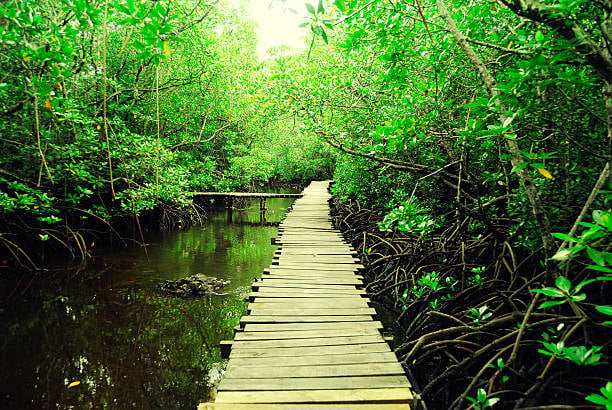
Jozani Forest, Zanzibar.
Jozani Forest, home to the endangered Kirk's Red Colobus monkey, welcomes visitors throughout Ramadan. These rare primates - found nowhere else on Earth - go about their daily routines of feeding, grooming, and leaping between mangrove trees. Early morning visits offer the best wildlife viewing and comfortable temperatures.
Stone Town exploration remains rewarding. The UNESCO World Heritage Site's maze of narrow alleys, carved doors, and historic buildings tell centuries of Swahili, Arab, Persian, Indian, and European influences. Key sites - the Old Fort, House of Wonders, Sultan's Palace Museum - maintain regular hours. If anything, Stone Town feels more authentic during Ramadan, its daily rhythms governed by prayer times rather than tourist schedules.
Prison Island excursions for giant tortoise viewing and snorkeling continue daily. Dolphin spotting tours from Kizimkazi remain available. The full spectrum of Zanzibar's natural attractions stays accessible to visitors who observe basic cultural courtesies.
Eid al-Fitr Celebration (March 19-20, 2026)
If your travel dates extend to mid-to-late March 2026, you might witness Eid al-Fitr, the joyous three-day celebration marking Ramadan's conclusion. This festival transforms Zanzibar into a space of collective jubilation.
Food appears everywhere. Street vendors sell special sweets and pastries. Families prepare elaborate feasts. The aroma of biryani, pilau rice, and grilled meats fills neighborhoods. After a month of fasting and restraint, the culinary abundance feels celebratory and earned.
Gift exchanges occur throughout Eid, particularly for children. New clothes - often traditional garments purchased specifically for Eid - are worn to special prayers held at mosques and open spaces. These congregational prayers, typically held early in the morning of the first day, gather entire communities in celebration.
The festive atmosphere during Eid offers tourists an exceptional window into Zanzibari culture. People are in high spirits, businesses reopen, and the overall energy feels similar to Christmas celebrations in Western cultures. Visiting during this period captures both the spiritual depth of Ramadan and the joyful release of Eid.
Many travelers who've experienced both prefer arriving in late Ramadan to witness the final days of fasting, Laylat al-Qadr (the Night of Power, one of the last ten nights of Ramadan), and the subsequent Eid celebrations - essentially experiencing the spiritual crescendo and its joyful resolution.
Planning Your Ramadan Visit to Zanzibar
Best Times to Visit During Ramadan
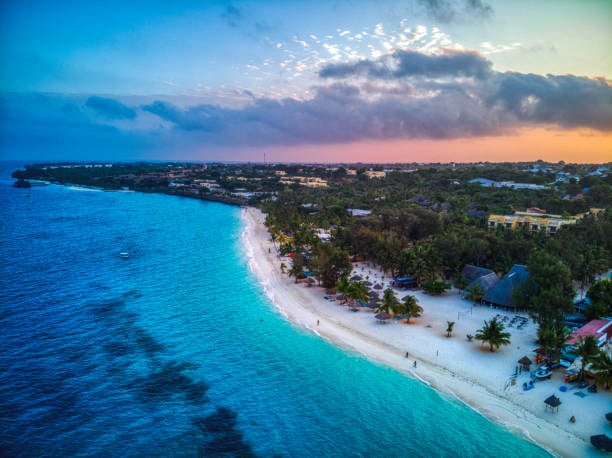
Aerial view of Thatched Roof Umbrellas Pattern on Wide Coastal line of White Sand of Kendwa Beach in Kendwa village, Zanzibar
February through March offers favorable weather in Zanzibar. Temperatures hover in the warm 80s-90s Fahrenheit (27-32 Celsius), perfect for beach activities. This period falls within the "short rains" season, meaning brief afternoon showers are possible but rarely disruptive. Morning and evening tend to be clear, and the rain often brings welcome cooling.
Crowd levels during Ramadan typically fall below peak season (June-October). This translates to better availability at popular hotels, shorter lines at attractions, and more intimate experiences at dive sites. The trade-off of slightly adjusted restaurant hours seems minor compared to the advantages of fewer crowds and lower prices.
Timing your visit within the Ramadan month matters. Early Ramadan (mid-February 2026) offers the full fasting experience with minimal prior tourist contact. Mid-Ramadan provides a balanced taste of both the daily routines and building anticipation. Late Ramadan and Eid (mid-to-late March) deliver the crescendo: Laylat al-Qadr's spiritual intensity followed by Eid's explosive celebration.
Accommodation Recommendations
Beach resorts offer the path of least resistance during Ramadan. Properties in Nungwi, Kendwa, Paje, and Matemwe maintain full dining services, alcohol availability, and relaxed dress codes within their grounds. You can float between cultural immersion (day trips to Stone Town) and resort comfort (unrestricted meals and beverages). This balance appeals to many first-time visitors during Ramadan.
Stone Town hotels provide deeper cultural immersion but require more cultural awareness. You're steps from the day's best attractions, surrounded by authentic Zanzibari life, and ideally positioned to experience Iftar and evening activities. The trade-off: limited alcohol availability and the need to navigate meal options more deliberately. For travelers who prioritize cultural experience over resort amenities, Stone Town during Ramadan delivers unmatched authenticity.
Book early. Despite being outside peak season, Zanzibar maintains approximately 89% occupancy in popular months due to its growing popularity. The best properties fill months in advance. Target your booking 3-4 months before your intended travel dates.
Travel Logistics
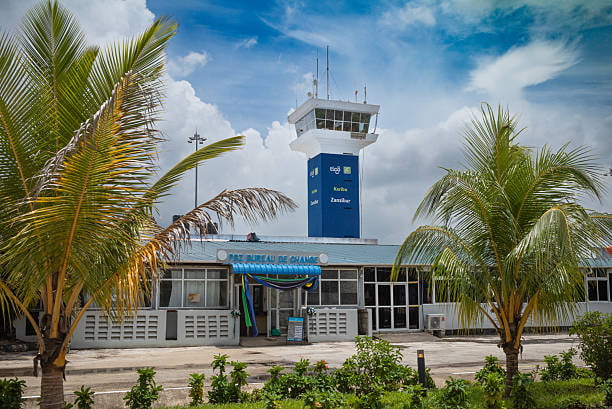
The control tower and buildings at Abeid Amani Karume International Airport, Zanzibar airport, Tanzania.
Entry requirements for Zanzibar remain straightforward. Most nationalities receive a visa on arrival at Abeid Amani Karume International Airport or can obtain an e-visa before travel. The visa costs $50-100 USD depending on nationality and allows up to 90 days in Tanzania.
As of October 2024, Tanzania mandates travel insurance for all visitors. Your insurance must cover medical expenses and lost baggage. Most international travel insurance policies meet these requirements, but confirm before departure. The regulation aims to protect both visitors and Tanzania's healthcare system.
Flights to Zanzibar arrive from multiple hubs. Direct routes connect from various European cities, Middle Eastern airports, and Dar es Salaam on mainland Tanzania. The 20-minute flight from Dar offers stunning aerial views of the archipelago. February-March sees reasonable flight prices outside school holiday periods in most countries.
Local transportation includes taxis (negotiate prices before departure), rental cars (requiring international driving permits), and dala-dalas (local minibus transport - adventurous but crowded). Most visitors combine prebooked transfers with occasional taxis for flexibility.
Packing Essentials
Smart packing for Ramadan in Zanzibar requires balancing beach resort needs with cultural sensitivity:
Modest clothing: Long, lightweight sleeves, long trousers or maxi skirts, breathable fabrics
Beach wear: Swimsuits, cover-ups, beach shoes (for coral reefs)
Portable snacks: Granola bars, nuts, dried fruit for day trips
Refillable water bottle: For discreet hydration during excursions
Sun protection: High SPF sunscreen, wide-brimmed hat, sunglasses, UV-protective clothing
Insect repellent: Mosquitoes are present, though malaria risk is low in Zanzibar
Light scarf or shawl: Multi-purpose item for women (shoulder covering, sun protection, style)
Frequently Asked Questions
Will I be able to find food and water during the day?
Absolutely. Hotel restaurants serve guests normally throughout the day. In Stone Town, look for restaurants on side streets offering indoor dining. Beach resorts maintain full dining services without interruption. The key is being respectful about public consumption and planning ahead for day trips.
Is it worth visiting during Ramadan or should I avoid it?
Visiting during Ramadan offers unique cultural richness unavailable at other times. You'll experience authentic Swahili-Islamic traditions, witness the spiritual atmosphere of the holy month, enjoy vibrant Iftar experiences, and potentially participate in Eid celebrations. Tourism services continue operating, the weather is favorable, and crowd levels are manageable. The 89% hotel occupancy during these months proves many travelers find the experience worthwhile
Will tours and activities be available?
Yes. Diving, snorkeling, spice tours, beach activities, and cultural tours continue normally. Many tourism businesses have international ownership or decades of experience operating during Ramadan. Tour guides who are fasting manage their schedules professionally and may need brief breaks, but this rarely affects the overall experience.
What if I accidentally eat or drink in public?
Zanzibaris are understanding and accustomed to international visitors. While eating or drinking publicly during fasting hours is considered disrespectful, it's not illegal. If it happens, simply apologize if necessary and be more mindful going forward. The local population appreciates attempts at cultural sensitivity without expecting perfection.
Can I still enjoy nightlife and alcohol?
Hotels and resorts continue serving alcohol to guests throughout Ramadan. Nightlife is quieter than peak season but beach bars and resort venues remain active. Some heritage hotels in Stone Town never serve alcohol as a year-round policy rather than a Ramadan restriction. Research your specific accommodation's policies when booking.
Is it safe for solo female travelers?
Generally yes, with the same precautions recommended at any time. Dress modestly, stay alert in tourist-heavy areas, avoid walking alone at night in isolated spots, and trust your instincts. Zanzibar's strong tourism reputation and 917,000+ annual visitors reflect its generally safe environment. The added cultural conservatism during Ramadan, if anything, slightly enhances the respectful atmosphere.
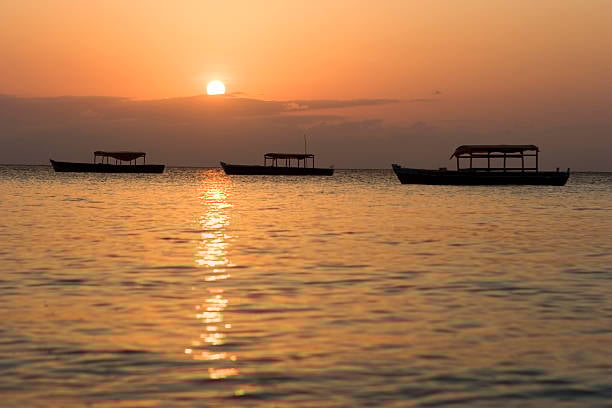
Sun setting behind some anchored Dhow's off the coast of Zanzibar
Final Thoughts: Embrace the Experience
Visiting Zanzibar during Ramadan 2026 offers an opportunity that transcends typical tourism. Where else can you lounge on pristine Indian Ocean beaches in the morning, explore a UNESCO World Heritage Site in the afternoon, and witness the breaking of fast in a centuries-old cultural setting in the evening? Where else does profound spiritual observance coexist so seamlessly with world-class tourism infrastructure?
The minor adjustments required - avoiding public eating during daylight, dressing modestly, being flexible with meal timing - pale in comparison to what you gain: authentic cultural immersion, unique photo opportunities, deeper understanding of Islamic traditions, and the privilege of experiencing one of the world's most sacred months in a place where faith shapes daily life.
Zanzibar's tourism success during Ramadan - evidenced by 89% occupancy and 917,000+ annual visitors, many specifically choosing the holy month - demonstrates that respect and experience can coexist. The island has mastered the balance between honoring its religious identity and welcoming people from all backgrounds.
So plan your visit to Zanzibar during Ramadan 2026 with confidence. Pack your modest clothing alongside your swimsuit. Research which hotels match your comfort level. Build flexibility into your schedule. Most importantly, approach the experience with openness and respect. The island will reward you with memories that transcend typical beach vacations - moments of spiritual beauty, cultural connection, and the realization that some of travel's richest experiences come from embracing rather than avoiding cultural differences.
Ramadan Kareem. May your journey to Zanzibar during this sacred time be blessed with beauty, understanding, and unforgettable experiences.


